

Your Gut Is Like a Garden
Imagine stepping into a garden that hasn’t been tended for a while. Some plants are thriving, others are struggling and a few weeds have started creeping in, quietly taking over space and nutrients.
Your gut works in a very similar way.
If you experience symptoms like bloating, irregular bowel movements, fatigue, or unexplained digestive discomfort, your gut microbiome may be part of the picture.
Inside your digestive system lives an entire ecosystem of microbes known as the gut microbiome. When I run a stool test, I’m essentially getting a snapshot of what’s growing in that internal garden.
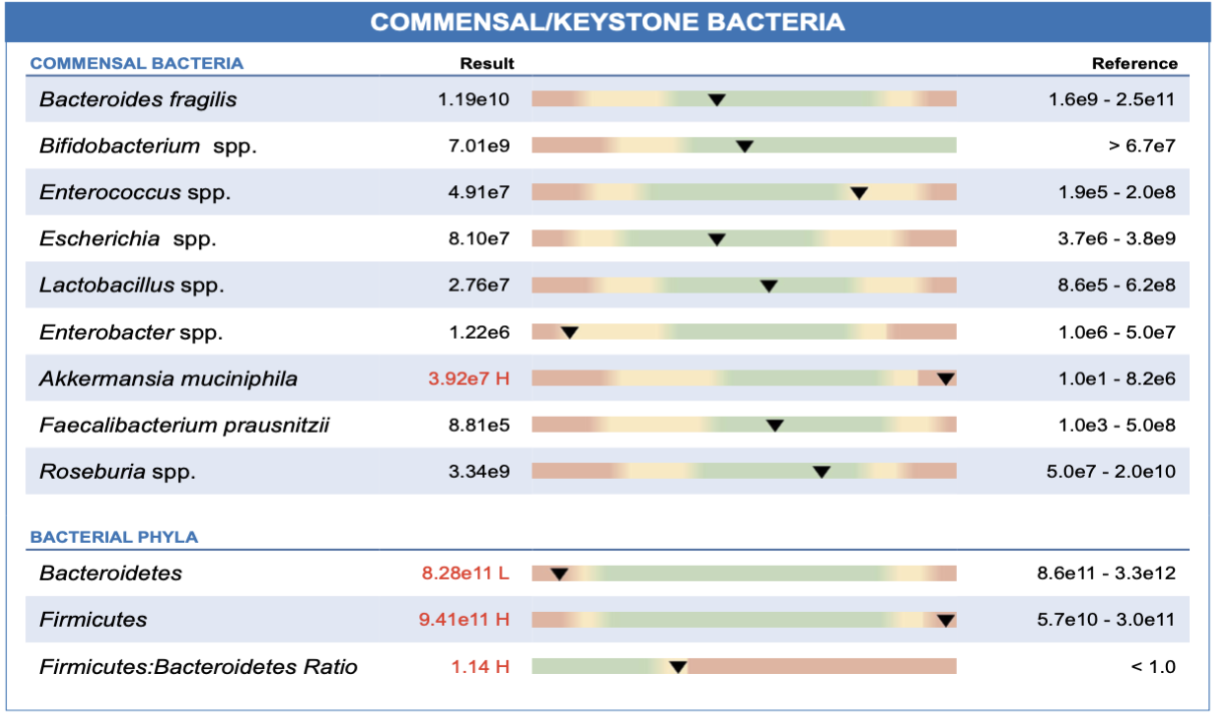
One of the key areas that is assessed is your commensal keystone bacteria. Think of these as the vegetables and beneficial plants in the garden; the microbes that support digestion, help produce important nutrients, and maintain a healthy environment in the gut.
I also look at opportunistic bacteria. In small amounts, these microbes can exist without causing problems. But when they begin to overgrow, they behave more like weeds, competing with beneficial bacteria and disrupting the balance of the ecosystem.
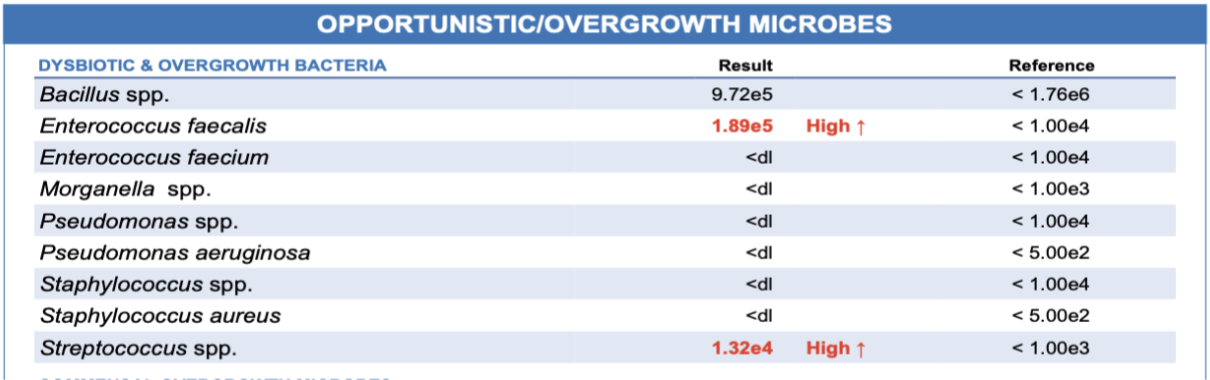
When this balance shifts, the gut environment changes, and this is often when symptoms begin to appear.
Restoring that balance is about creating the right conditions for beneficial bacteria to thrive while keeping opportunistic microbes in check. Improving the microbiome can be an important step toward better gut motility, digestion and nutrient absorption, which can in turn influence energy levels, hormone balance, immune function and even the nervous system.
A balanced and thriving gut helps lay the foundation for better health. Plant the seeds today and allow your gut to support your whole-body wellbeing.
If you’re struggling with digestive symptoms, low energy, or unexplained health issues, looking at your gut microbiome can be a helpful place to start. Functional stool testing allows us to see what’s happening beneath the surface and identify where support may be needed.